
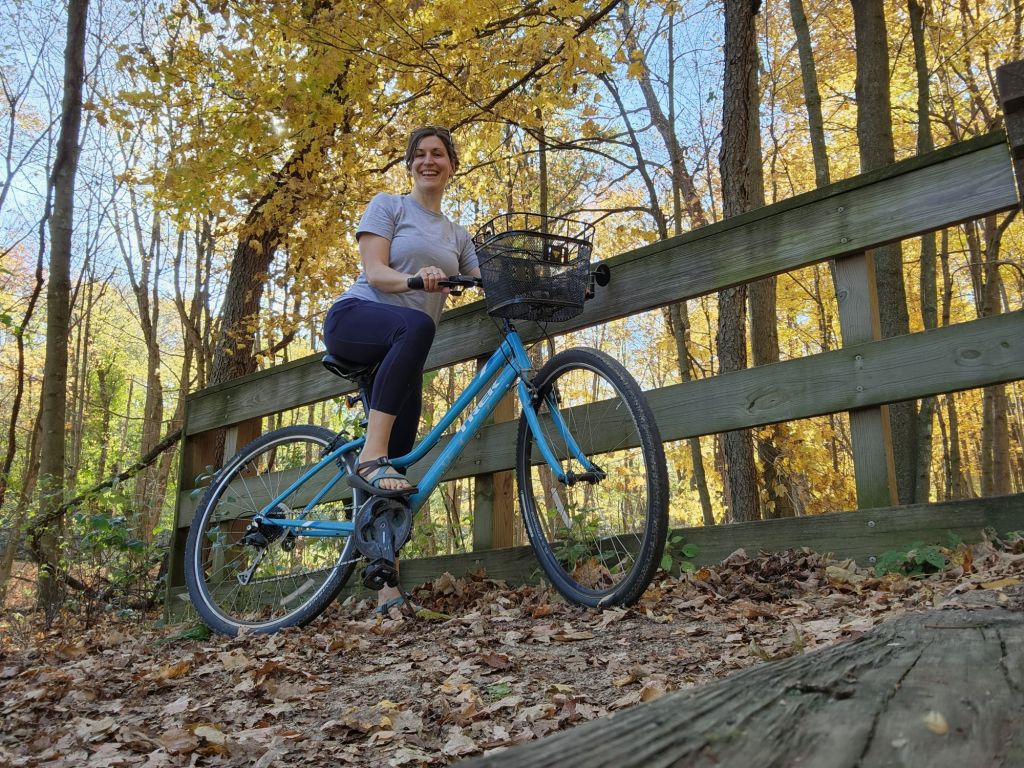
I have always loved biking. As a child, it was my primary mode of transportation to see my friends. Later, it became my way to get to work. As I grew older, I discovered a deep and abiding love for biking as exercise. I live in a rural area, and I find great pleasure in a lovely evening countryside ride.
When I was diagnosed with an acoustic neuroma brain tumor, I was very worried I would lose biking. My mom had been diagnosed with a different benign brain tumor seven years prior, and her tumor severely impacted her balance because it compressed her brainstem. She never regained two wheel biking, though she did love her recumbent bike. Knowing that an acoustic neuroma compromises the vestibular nerve, I worried I would also lose standard biking. I had also managed to fall off a stationary bicycle prior to diagnosis, which did not inspire confidence.
When I left the hospital after my surgery to remove my tumor, I was able to walk on my own, but I was moderately wobbly. My care team made appointments for vestibular physical therapy upon discharge. I told my vestibular therapist that my goal was to get back to riding my bicycle. We worked hard together for 6 weeks, and by the time I was discharged, I was again able to ride my bicycle. This was a huge victory for me.
Prior to surgery, I would frequently ride my bike to and from work. Often, this included a ride home in the dark of the evening. When I left vestibular therapy, my therapist said that I may or may not get back biking in the dark. Since I am missing a balance nerve, my vestibular system relies heavily on my vision. Darkness presents a real challenge. However, I was able to resume biking in the dark at fifteen months post op, which greatly improved my work commute.
Since then, I have kept on biking regularly. I mostly ride on country roads with low traffic. For a treat, I take my bike out on a beautiful trail ride. I have little to no experience with urban biking, so that could feel very different than what I describe.
I have found a few items that greatly facilitate my safety and comfort while biking:
- My bone anchored hearing device. My hearing loss is on the side of my body that traffic goes by while I bike. Wearing my bone anchored device helps inform me that there is traffic, even if I can’t sound locate. I also like to use my bone anchored aid to stream music or an audiobook if I am biking with traffic so that I can listen to life sounds as well as music. If I use an earbud, I worry I may miss important sounds.

- My rear view mirror. With my inability to sound locate, I need to do a lot of looking around for safety. However, with my vestibular issues, quick head turns can be tricky and lead to imbalance. I have found just a simple rear view mirror has been an excellent solution for both of these problems.

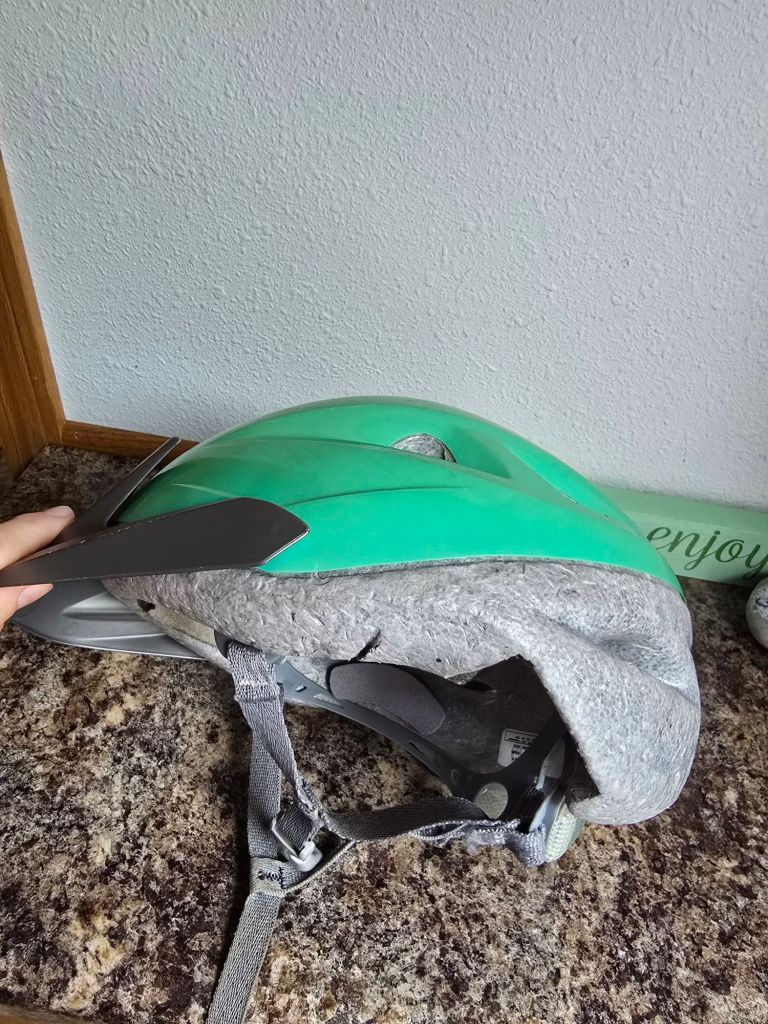
- I always wear a helmet. I don’t trust my balance 100%, though I have never actually fallen from my bike in the 10 years since surgery. I definitely want to protect my brain. My good friends kindly customized my helmet so that I could wear it and my hearing device at the same time.
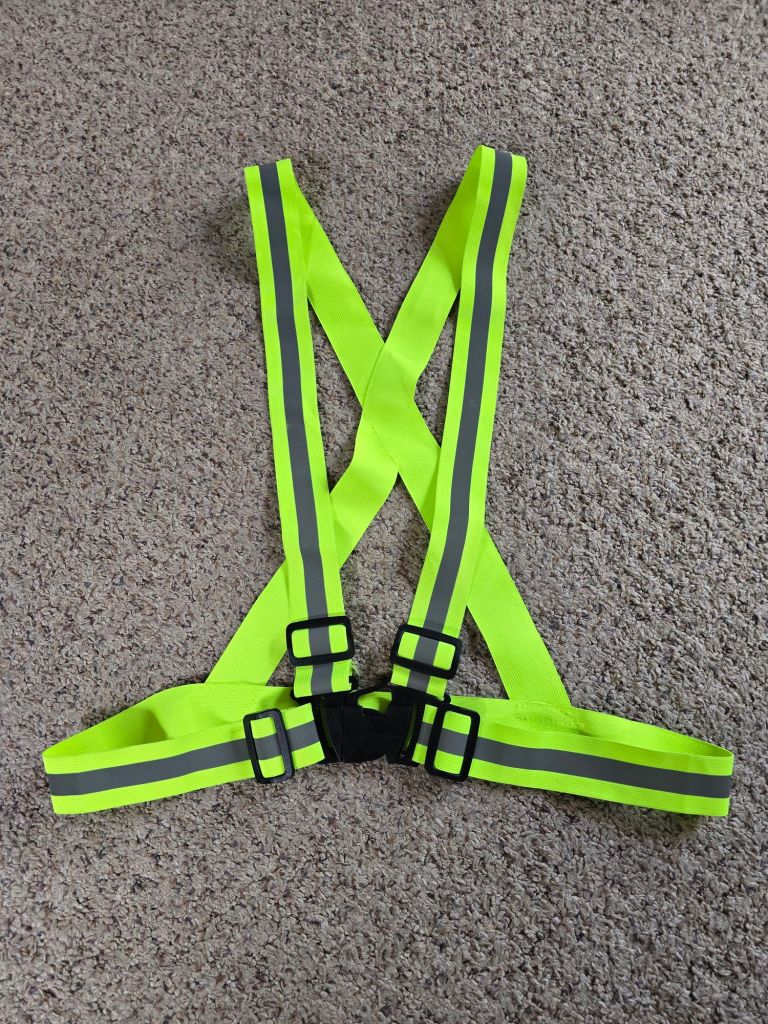
- If I am riding in a low visibility time, I wear a safety vest. This flourescent vest really increases the ability for drivers to be able to see me while being extremely comfortable. This adds some security as well, in case I don’t hear the traffic and can’t be as proactive as I would like.
I am so grateful I was able to regain this wonderful form of recreation and exercise. In my opinion, there are few things more joyful than a quiet hour of biking while enjoying the scenery. I am careful and use some planning to lead to successful outings. I haven’t tried especially adventurous bicycling like big city biking or mountain biking, but those weren’t in my wheelhouse even before my surgery. My longest ride post surgery so far is around 40 trail miles, which isn’t too shabby for a gal with single sided deafness and vestibular issues.

 The "Lucky" Brain Tumor
Leave a comment