
So often it is important to advocate for yourself and explain your needs to others. That’s understandable, as it isn’t reasonable to expect everyone else to automatically know what we need to be successful. But advocacy is often exhausting. So moments when your needs are met without saying a word are so refreshing.
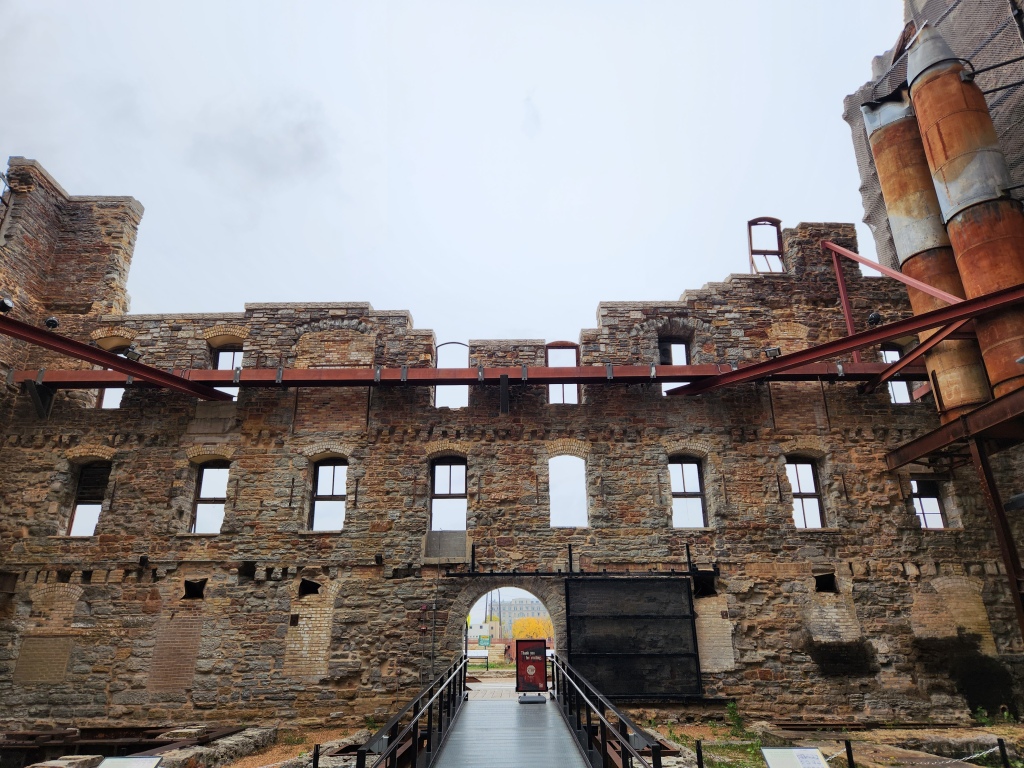
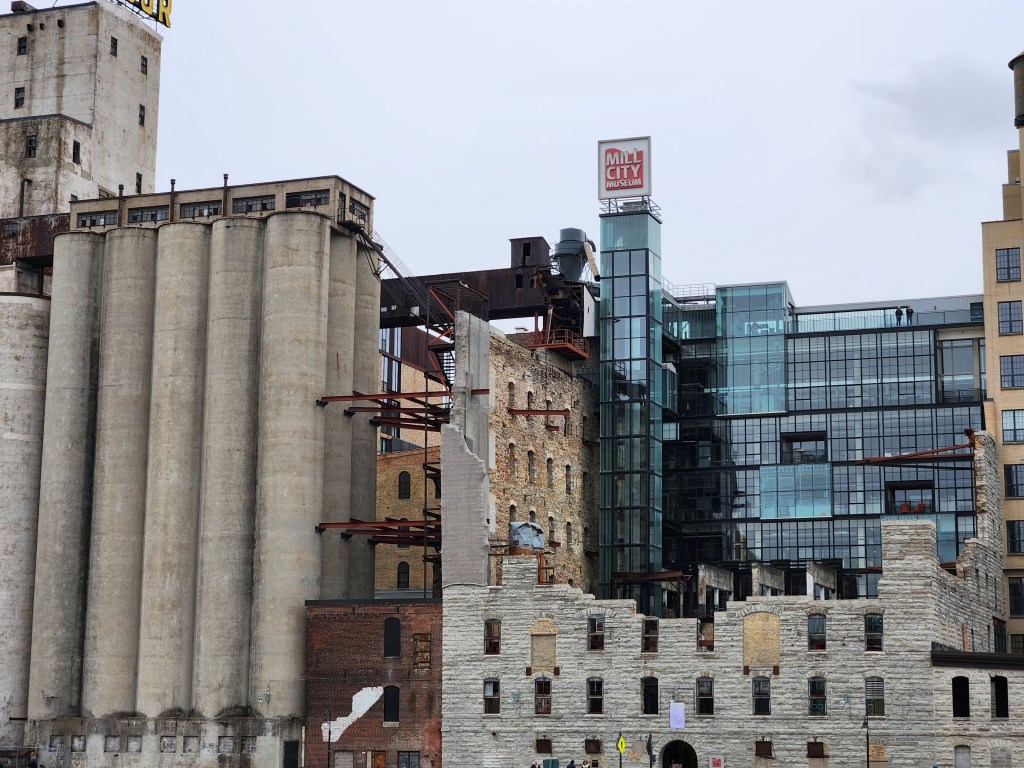
I recently had an opportunity to attend The Mill City Museum (https://www.mnhs.org/millcity) on a vacation. Now, I would recommend this museum just because it had really neat interactive displays and great history. I would also recommend it because it clearly planned displays for all ages to enjoy. It had brilliant layouts- like a water table for the kids surrounded by informational displays that the parents actually had time to read while the kids played. But even better, this museum made me feel welcome and built in assistance for hearing loss- without my needing to ask for any accommodation.

The Mill City Museum has this really cool historical tour called the Flour Tower. You actually get into a huge old flour elevator that has been fitted with benches and ride the elevator to see different moving displays and hear stories from mill workers over the years. The staff told everyone as they walked into the elevator that there were subtitle screens and that the best views for subtitles were the back two rows. The staff also notified us there were moments of loud noise for dramatic effect and offered a warning.
I was so pleased to know where to sit to read the subtitles as well as to know that it would get loud so I should wear my ear plug to protect my hearing. It felt even better because I didn’t have to ask- this was the standard protocol speech given to all customers. It was so incredibly lovely to just feel comfortable and not to have to work harder to enjoy the tour.
What is perhaps most noteworthy to me is how unusual this experience is. I did not expect that level of consideration and planning. It didn’t cost the museum much time or energy to make this accommodation standard, but it made a huge impact for my experience. There was a little investment in tvs to provide the subtitles, but in the scheme of the cost for the exhibit that inclusion was negligible.
As we move into a world where captioning is much easier with current technology, I hope more places think to do the work to make captioning standard. Many hearing people also enjoy captioning- in fact my children are so used to subtitles they prefer it for all their tv watching!

 The "Lucky" Brain Tumor
Leave a comment