
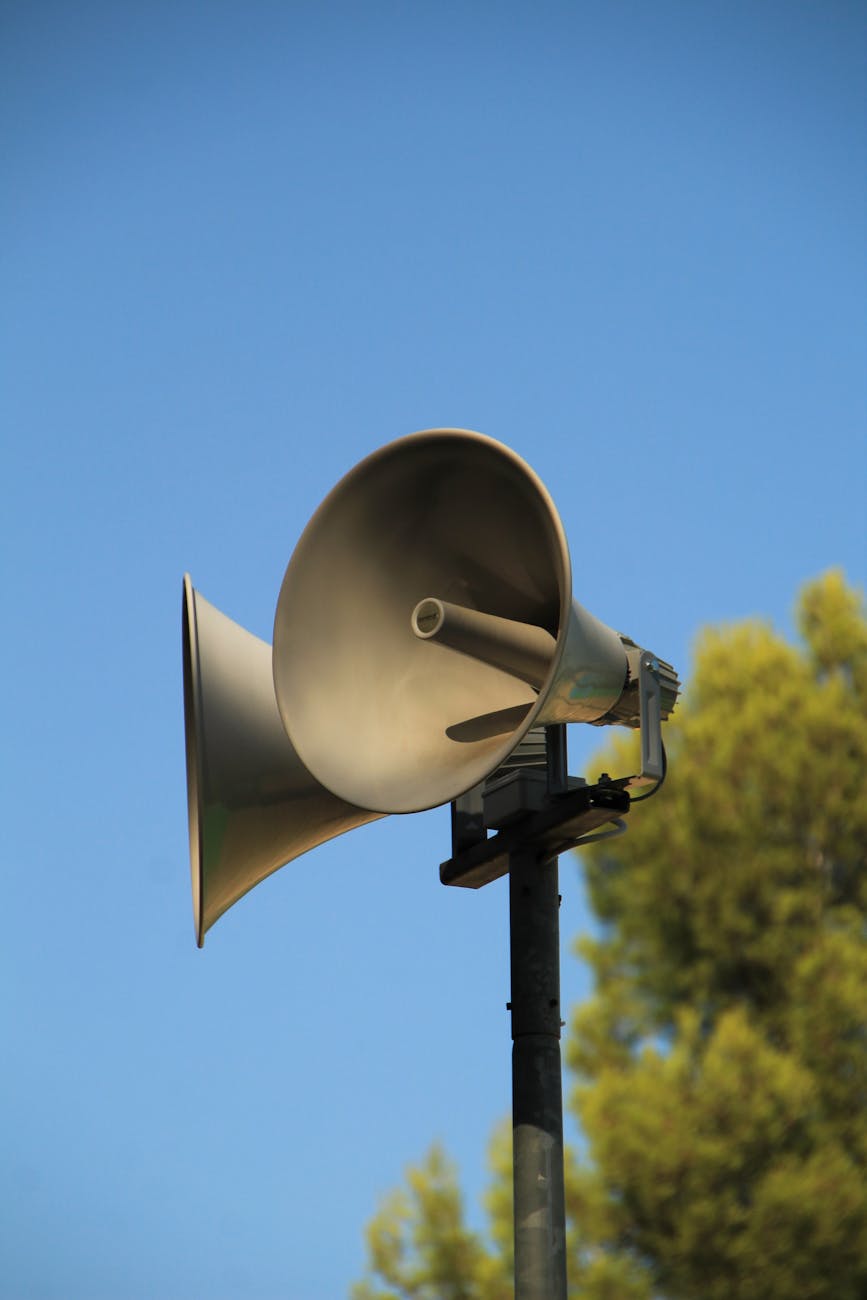
I think people automatically assume that you want volume up when you have hearing loss. I have found this to be very much untrue for me. My hearing husband has been surprised that I frequently need the music or tv turned down to a lower volume than he likes it. While occasionally I increase the volume to help with word recognition, in general, I dislike loud sound. Loud noises can be very painful. I have learned that with hearing loss, it is common to also have sound sensitivity.
There are many factors at play in sound sensitivity. Everyone’s experience of sound is very different. A noise that may be challenging for me may be comfortable for you, even if we have the exact same audiogram of hearing loss. Hearing loss is really personal and unique. However, there are some themes commonly found amongst those with sound sensitivity.
Often, with single sided deafness low tones are louder than high ones. This is in part because low frequencies can travel through your skull to your hearing ear still. I remember being shocked that I could “hear” a few low tones during my hearing test after I lost all my hearing in one ear. I find that this double whammy of low sound coming through my skull and ear can make bass noises overwhelming.
I believe hearing fatigue plays a role in sensitivity to noise. I think the solo functional ear gets overwhelmed and exhausted some days from having to do all the sound processing. I think that those of us with one working ear reach critical mass on auditory stimulation much faster and need to factor that into our sound capacity. I think a sound can be the “straw that breaks the camel’s back” much more often.
I also feel that anxiety of losing your remaining hearing can play a role in sound sensitivity. You begin to associate loud noises with danger and risk. It can be a heavy mental weight, worrying about your remaining hearing and wanting to do everything in your power to keep what hearing you have. This is a very common concern, and it is definitely a good idea to protect your hearing and to make smart choices regarding hearing protection. However, I think the anxiety can exacerbate the discomfort you feel with loud noise.
Another factor is tinnitus. I am one of the lucky ones who had tinnitus before my brain surgery and do not have it any longer. For those still fighting the tinnitus battle, loud sounds can really increase the tinnitus. It makes sense that in that situation, a person would become very loud noise adverse. Tinnitus is challenging enough without encouraging it. Tinnitus can really alter a person’s experience with sound and noise and make many things uncomfortable that may have been very easy prior.
There is also a kind of extreme sensitivity you can have that is called hyperacusis. Hyperacusis is when everyday noises that most people would agree are a comfortable level are actually very loud and/or painful for you. When people have hyperacusis, they often have tinnitus too. Hyperacusis can have a huge impact on quality of life, as regular sounds can become unbearable.
Many other things can influence your experience of sound, including the auditory nerve misfiring if you retain partial hearing, using a hearing device, location of the sound relative to you, etc. If you feel you are more sensitive to noise now than before losing your hearing, you are not alone. The trick for me has been to learn what triggers me and plan accordingly. For example, I have found that some larger vehicles like trucks or big suvs make a low tone that is very uncomfortable for me. Because of this, I eliminated certain vehicles from my shopping list when we needed a new vehicle. Instead, I purchased a car I found exceptionally quiet and therefore comfortable. A bit of planning can often increase comfort and success when sound sensitivity is an issue.
https://my.clevelandclinic.org/health/diseases/24320-hyperacusis

 The "Lucky" Brain Tumor
Leave a comment